A Planning Timeline for Hair Transplant Care Abroad from Inquiry to Home Check-Ins — Stage seven — return home with a care pathway; The return-home handoff
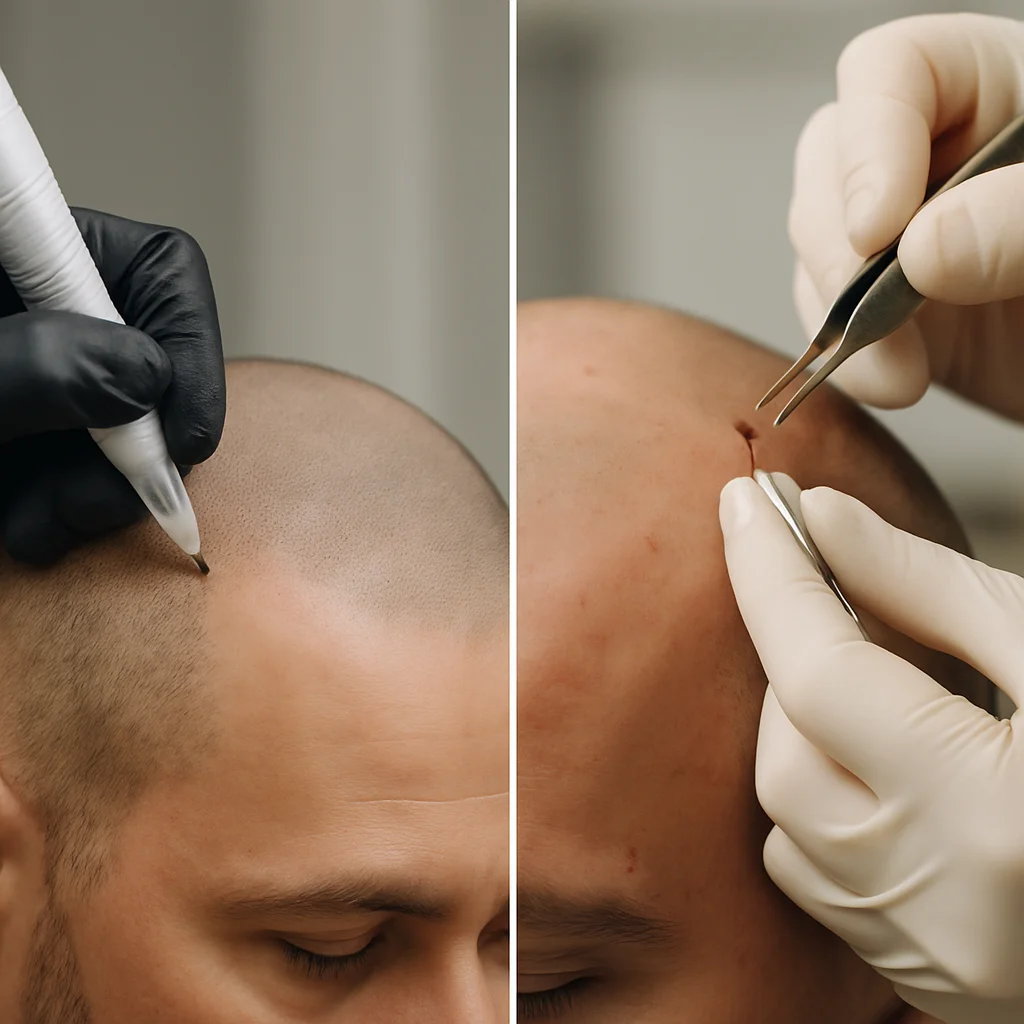
A treatment journey should begin well before a booking calendar. If you are considering surgery for hair loss, first identify what you are asking a clinician to assess: a changing hairline, thinning at the crown, scarring, or a different concern. The appearance of similar symptoms can have different causes. A qualified professional can review the history, examine the scalp, and advise whether additional investigation or nonsurgical treatment merits consideration. An online photograph may help start a conversation, but it does not settle diagnosis or candidacy.
Before you make an inquiry
Write down the pattern of hair loss, how long you have noticed it, relevant medical conditions, medicines, previous treatments and the result you hope for. Photographs taken in consistent lighting can help a remote conversation, but they cannot establish whether surgery is appropriate. If the cause of loss has not been evaluated, arrange an appropriate clinical assessment. Prepare questions about the donor area and whether existing hair may continue to thin. Decide how much time you could realistically spend abroad and whether you could obtain care locally if needed afterward. These preparations make the first message more useful than a request for a price alone. They also give you a record of what was known before anyone suggested a particular procedure.
During the first exchange
Ask whether the person replying is a coordinator or a clinician and when a qualified professional will assess your situation. A remote proposal should explain what remains provisional until an in-person examination. Ask who designs the hairline and who carries out each part of the procedure. If you receive a graft estimate, find out how it was reached and why it could change. Request a discussion of alternatives, limitations and risks as well as the desired cosmetic change. Keep the original answers in writing. A helpful response acknowledges uncertainty rather than promising a particular density from photographs. If the exchange moves directly to a deposit, you can ask for a clinical discussion first. You should understand the proposed care before reserving travel.
The first local recovery period: learn the instructions
Before leaving the clinic, obtain written instructions for washing, sleeping, activity, medication, and protecting the treated and donor areas. Confirm the timing of the first review and the symptoms that require prompt attention. Ask which changes are expected during ordinary healing and which should trigger direct clinical assessment. The NHS notes that hair transplant surgery carries risks, including infection, bleeding, scarring, and grafts failing to take; your treating professional should discuss your individual situation rather than asking you to dismiss every concern as normal. Identify an urgent contact that works outside office hours and know where to go for in-person care if necessary. If instructions from a coordinator conflict with what your clinician said, get the discrepancy resolved while you are still nearby. Take a copy home in a format you can access without an internet connection.
Stage seven: return home with a care pathway
Travel home does not close the clinical episode. Before departure, keep a copy of your procedure record, consent forms, medication list, and aftercare instructions. Ask for the timetable and channel for routine photo check-ins and for a clear distinction between a routine question and symptoms that require prompt local care. A remote message may help the clinic assess a photograph, but it cannot replace a physical examination when one is needed.
The return-home handoff
Before departure, clarify the timing and channel for routine updates, which concerns need prompt assessment and how records can be shared with a clinician at home. Save the procedure summary, medication list and contacts. Expect the appearance to change during healing; ask what the team considers ordinary and what requires evaluation, without relying on a guaranteed schedule for growth. An informational page about hair transplant in turkey can orient the initial inquiry, but your follow-up plan should come from the actual treating professionals. Keep a dated record of communications and follow the individualized guidance you received. If an urgent symptom arises, seek timely local medical assessment instead of waiting for an international message exchange. The planning sequence ends only when you know how care continues after travel.
The return-home handoff
Before departure, clarify the timing and channel for routine updates, which concerns need prompt assessment and how records can be shared with a clinician at home. Save the procedure summary, medication list and contacts. Expect the appearance to change during healing; ask what the team considers ordinary and what requires evaluation, without relying on a guaranteed schedule for growth. An informational page about hair transplant in turkey can orient the initial inquiry, but your follow-up plan should come from the actual treating professionals. Keep a dated record of communications and follow the individualized guidance you received. If an urgent symptom arises, seek timely local medical assessment instead of waiting for an international message exchange. The planning sequence ends only when you know how care continues after travel.