An International Reader's First Research Itinerary for Hair Transplant Care in Turkey — Learn the basic anatomy of the decision and Build a shortlist using
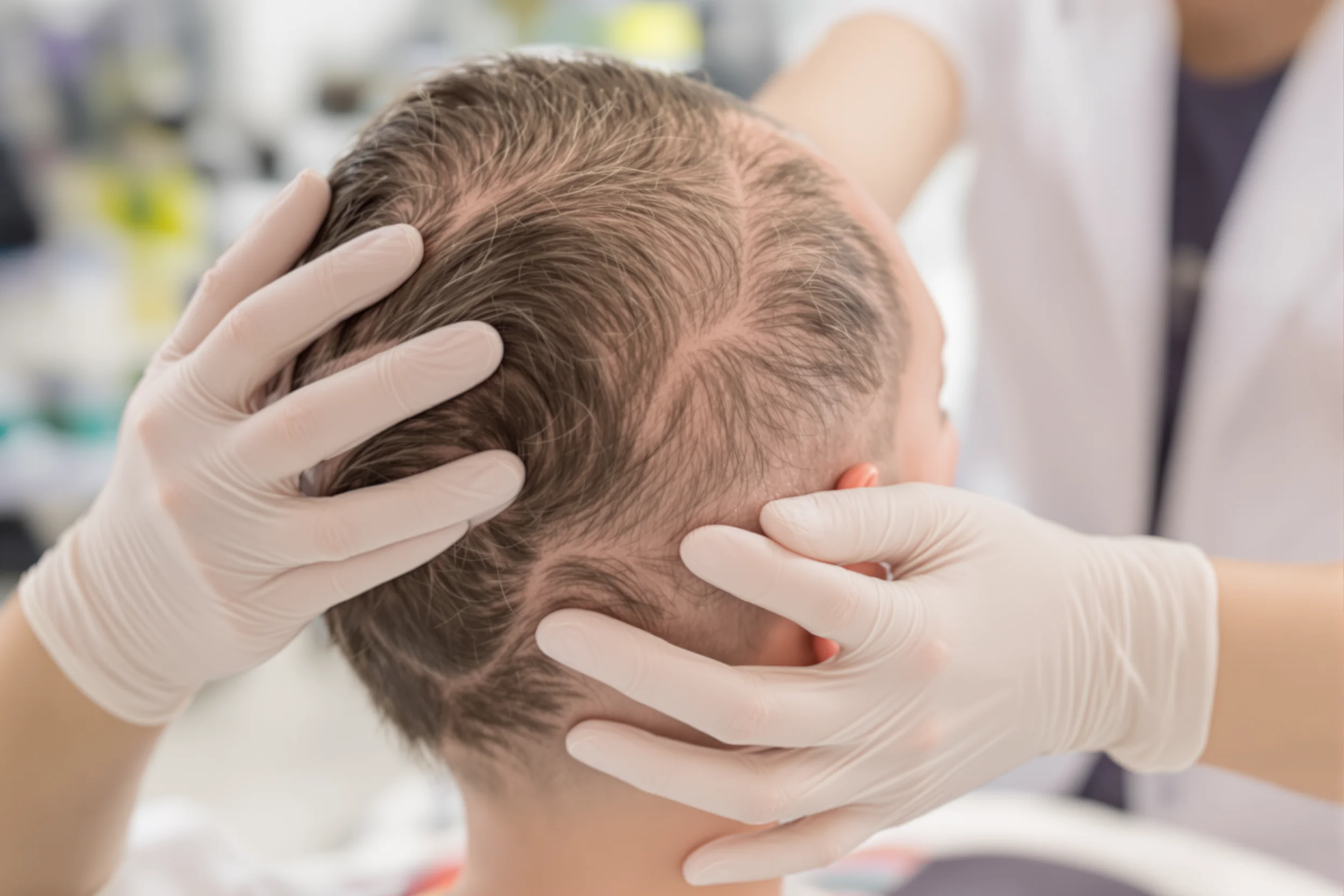
Searching for a procedure abroad can make the choice of clinic seem like the first decision. It is usually a later one. Before comparing promotional photographs or packages, establish what you know about your hair loss, what you expect surgery to change, and what support you could obtain after returning home. Those answers determine which questions to ask and whether surgery belongs on your shortlist at all. This itinerary gives an international reader a sequence for gathering that information. It is a research guide, not an assessment of individual suitability; a qualified clinician must evaluate your circumstances.
Start with the reason for seeking treatment
Before looking abroad, consider an assessment with a dermatologist or another appropriately qualified clinician near home. That person can evaluate causes of shedding that might need treatment first and provide continuity if you later travel. This does not mean a local consultation can approve a particular overseas clinic. It gives you an independent starting point and a record of the condition you are trying to address.
Start with the decision, not the destination
Make a one-page record of what you know: when loss began, whether it is progressing, family history if known, relevant conditions, current medicines and supplements, previous treatments, and what outcome you hope to achieve. Note what you do not know. This exercise does not diagnose you; it helps make a consultation more useful and prevents a confident sales conversation from filling gaps in your information.
Create a shortlist from verifiable details
Search results for hair transplant turkey mix clinics, brokers, review sites, and advertising. Treat each listing as a lead to investigate. Identify the legal clinic name and physical facility, the clinician responsible for diagnosis and surgical planning, and the team members who carry out extraction, site creation, and implantation. Ask what credentials and professional registration apply in the country where the procedure occurs. If an agency handles messages, find out which clinical organization actually provides care and who holds your medical record.
Build a shortlist using questions you can verify
A website advertising hair transplant turkey services can be a starting point for finding a provider, but its pages are not a substitute for an individual consultation. Check that the named facility, clinical staff and proposed procedure are identifiable. Look for a clear consent process and a credible route for raising concerns. If a listing ranks clinics, inspect what the ranking measures and whether payment or sponsorship affects placement. Avoid treating the number of reviews or the adjective “best” as proof of clinical quality. Ask to see relevant examples under comparable lighting and with enough follow-up context, while recognizing that selected photographs cannot predict your result.
Learn the basic anatomy of the decision
Read a neutral explanation of the technique being offered, including how follicles are extracted, how the recipient sites are prepared and who performs each step. Different terminology in advertisements can obscure the actual sequence. Rather than relying on the technique label, ask about the tasks, personnel, supervision and relevant qualifications. Understand the possible downsides as well as the intended benefit: infection, bleeding, scarring, poor growth, unnatural appearance, donor thinning and dissatisfaction are among issues to discuss in a proper consent conversation. The exact risk profile depends on the individual and the procedure.
Make the financial comparison complete
A package figure often combines clinical work with selected travel services, but inclusion lists vary. Request an itemized written quote identifying the procedure, the planned graft range and any conditions attached to it, medicines, tests, aftercare supplies, transfers, hotel nights, interpreter support, and follow-up. Then add airfare, meals, time away from work, travel insurance where suitable, possible extra nights, and local medical visits after you return. Ask which payments are refundable and in which currency charges will be taken.
Build a follow-up path before making a deposit
Keep copies of consent forms, procedure notes, the documented number of grafts, prescribed medicines, and postoperative instructions. These records help if you need care after returning home. Ask what symptoms require urgent local evaluation rather than waiting for a remote response. Severe pain, significant bleeding, fever, or rapidly worsening signs should be assessed promptly by a local medical professional according to the advice you receive; a chat thread is not an emergency service.
Map the period after you return
Results take time, and the early appearance is not a reliable verdict on the final outcome. Ask the clinician for a realistic discussion of the usual stages of healing and growth as they apply to you, including what might be normal and what is not. Record the timing of planned check-ins and keep your own dated photographs in similar light. Ask whether medical management of ongoing hair loss should be discussed with an appropriate professional. Transplanted and existing hair are part of the same long-term appearance; a one-time procedure may not be a complete plan for changes that continue over years.