An International Reader's First Research Itinerary for Hair Transplant Care in Turkey — Build a shortlist using questions you can verify; Create a shortlist from
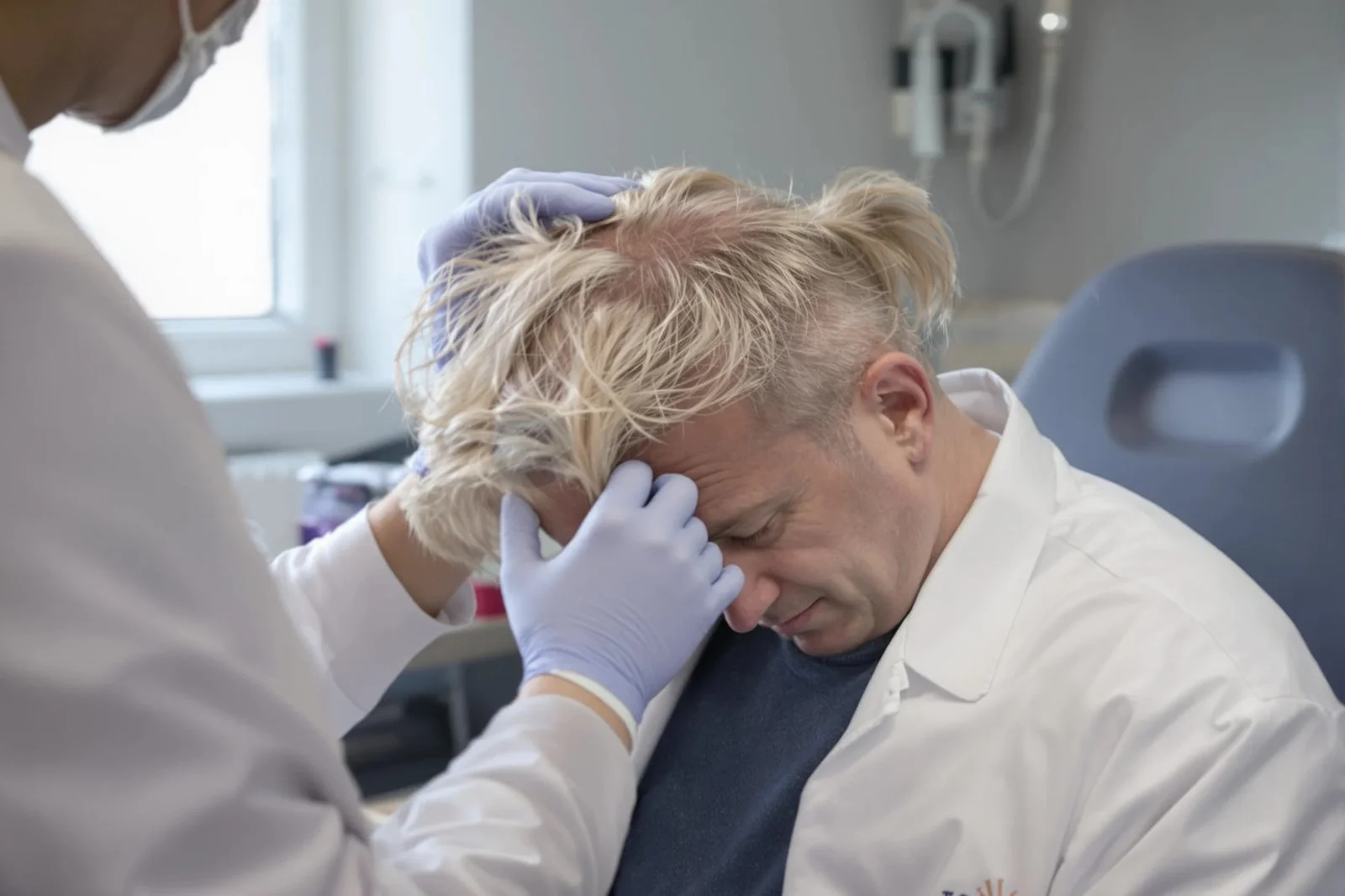
A search for a procedure abroad often begins with photographs, package descriptions, and a price that seems easier to understand than the medical decision behind it. The order matters. Before comparing destinations, establish whether surgery is an appropriate response to your particular pattern of hair loss. Hair loss can have different causes, and a transplant redistributes existing follicles rather than creating a new supply. It cannot by itself stop continuing loss in untreated areas. A qualified clinician who can examine your history and scalp can help identify the cause, discuss alternatives, and explain whether the donor area is suitable. A travel itinerary should come after that conversation.
Start with the problem, not the destination
Prepare a concise health history for a clinician. Include medications and supplements, allergies, previous procedures, chronic conditions, smoking or nicotine use, and any concerns about healing. A responsible consultation should ask about these matters and explain whether further examination is needed. Do not stop prescribed medication or change treatment because a sales representative suggests it. Ask the relevant prescribing clinician before making changes. If you have already tried medical treatment for hair loss, record what it was, for how long, and whether you had adverse effects. This creates a useful baseline even if the eventual advice is to wait rather than undergo surgery.
Create a shortlist from verifiable details
Search results for hair transplant turkey mix clinics, brokers, review sites, and advertising. Treat each listing as a lead to investigate. Identify the legal clinic name and physical facility, the clinician responsible for diagnosis and surgical planning, and the team members who carry out extraction, site creation, and implantation. Ask what credentials and professional registration apply in the country where the procedure occurs. If an agency handles messages, find out which clinical organization actually provides care and who holds your medical record.
Know Who Does Which Part
The phrase 'doctor led' is too broad to answer who will actually do your procedure. Request a stage-by-stage description: consultation and examination, design, administration of anesthesia, donor harvesting, preparation of the recipient sites, graft placement, and decisions if the plan changes. Names, roles, qualifications, and direct supervision should be clear before you travel. Also ask whether any person or team might be substituted on the day and whether you can decline if the arrangements differ. The International Society of Hair Restoration Surgery advises prospective patients to ask who evaluates their hair loss and who performs important surgical steps. Use that question without assuming a label such as FUE or DHI tells you anything about a particular team's competence. Technique matters, but accountability for the people using it matters first.
Build a shortlist using questions you can verify
A website advertising hair transplant turkey services can be a starting point for finding a provider, but its pages are not a substitute for an individual consultation. Check that the named facility, clinical staff and proposed procedure are identifiable. Look for a clear consent process and a credible route for raising concerns. If a listing ranks clinics, inspect what the ranking measures and whether payment or sponsorship affects placement. Avoid treating the number of reviews or the adjective “best” as proof of clinical quality. Ask to see relevant examples under comparable lighting and with enough follow-up context, while recognizing that selected photographs cannot predict your result.
Build a follow-up path before making a deposit
The visible result develops over months, and the first weeks may include shedding, redness, or other changes that need context from your clinician. Ask for a written schedule for check-ins, the method for sharing photographs, who reads them, and when an in-person review would be advised. Find out whether routine follow-up is included and whether treatment for a complication would create an additional charge. An overseas clinic should explain how it coordinates with a doctor near you when an examination cannot reasonably be done by message.
Keep the Evidence in Proportion
Patient accounts and reviews may reveal useful questions about communication, accommodation, or aftercare, but they are uneven evidence about medical outcomes. One excellent account cannot establish a clinic's usual results; one negative account may omit details needed to understand what happened. Record recurring themes and ask the clinic specific questions they raise. Prefer verifiable facts: written treatment plans, named medical personnel, clear consent material, and a follow-up pathway that exists before payment. Be wary of certainty in either direction. Hair growth takes time, photographs can be selected or staged, and individual anatomy changes what can be achieved. Independent clinical advice can help you interpret conflicting messages, especially when the pressure to book rises. The strongest itinerary leaves enough time to make a decision that remains sensible after the promotion ends.