At the in-person assessment, Procedure day — keep the handoff legible — A Planning Timeline for Hair Transplant Care Abroad from Inquiry to Home Check-Ins
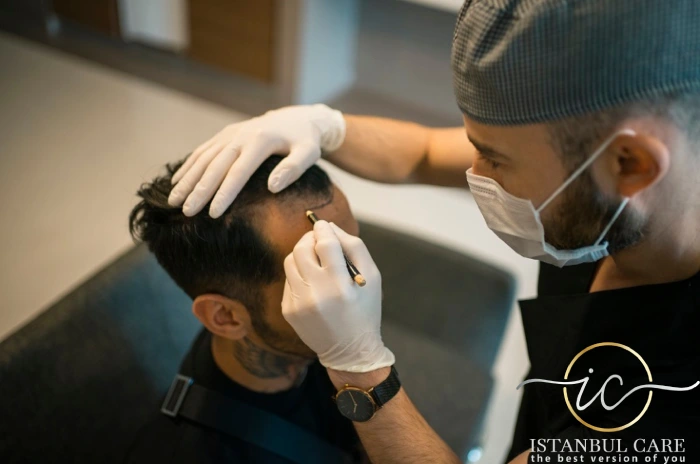
A good timeline starts before a flight search. Write down what has changed about your hair, how long the change has been noticeable, and what result you hope to see. Include any previous treatment and relevant medical history. The first inquiry should ask whether a clinician can assess your situation, what information they need, and which questions cannot be settled from photographs. A coordinator can explain appointments and packages, but clinical suitability calls for a qualified professional. If the cause of hair loss has never been evaluated, allow time for that assessment before committing to travel.
Before paying: reconcile the quote and the schedule
The next checkpoint is a document review. Ask for the full quote in a stated currency and a clear list of what it includes. Identify procedure costs, consultations, tests if applicable, medicines, washing or follow-up visits, lodging, transport, and any optional services. Confirm whether airfare is included. Ask how the amount changes if the in-person examination yields a different graft plan, and whether you can decline surgery without losing payments unrelated to services already delivered.
When you receive an initial proposal
Request a written account of the proposed areas of treatment, the reasoning behind the plan, and the roles of everyone involved. An early estimate may change after examination, so ask which details are provisional. Compare your goal with what is actually described: a plan focused on the hairline may say little about the crown. Ask how the donor area will be assessed and whether continuing hair loss changes the longer-term approach. Keep a copy of the proposal and your questions together. It is easier to spot a changed recommendation when the first version is still available.
Procedure day: keep the handoff legible
The team should explain what will happen, who performs each major step, and how you can communicate discomfort or an unexpected symptom. Ask whom to contact if you need clarification before any sedating medicine is given. Verify medication and allergy information and follow the clinician's directions about eating, drinking, and existing prescriptions; do not change medicines on your own. You need not understand every technical choice, but you should understand why the donor and recipient plan is appropriate for you and whether the agreed plan has changed. Ask how the number of grafts actually used will be recorded and how the procedure note will be made available afterward. An orderly handoff matters because the people giving aftercare advice must know what was done. If a substitute clinician or a substantially different procedure appears, request an explanation before proceeding.
At the in-person assessment
Expect the conversation to become more specific. The clinician should examine the scalp and donor area, revisit your expectations and explain the intended technique, limitations, alternatives and risks. Ask who will perform the clinical stages and how the day is organized. Make sure the consent document matches the discussion, including what follow-up is available when you leave. If the plan differs substantially from the one you accepted remotely, pause and ask why. The fact that you have already traveled does not oblige you to proceed. An inquiry about a hair transplant in turkey can start online; the final decision still deserves a proper individual assessment.
Procedure day: document the plan and contact route
Get a copy of the procedure summary if offered, including the final plan and any changes from the estimate. This record can assist your own understanding and may be relevant if a clinician at home later needs context. Do not treat a stated graft count as a guarantee of future survival or density. The biological outcome cannot be read from a same-day number.
Weeks and months at home: keep the follow-up pathway alive
Arrange the agreed remote reviews and keep photographs consistent in lighting and angle if the provider requests them. Ask when a local clinician should examine a concern. Temporary shedding and uneven early growth can complicate interpretation, so avoid judging the final result from a short-term image. The provider should set a realistic interval for assessment and explain how ongoing hair loss outside the transplanted area is monitored.
Stage eight: evaluate progress over months
The most useful timeline has decision points, not just dates. At every stage, ask whether the clinical information, financial terms, and travel arrangements still fit together. If they do not, adjust the plan before the next irreversible expense. An orderly journey leaves room for a clinician to say no, for a patient to ask more, and for care to continue after the return flight.