Build a follow-up path before making a deposit Work through travel as part of the care plan — How to Research a Hair Transplant in Turkey Before Comparing Clinics
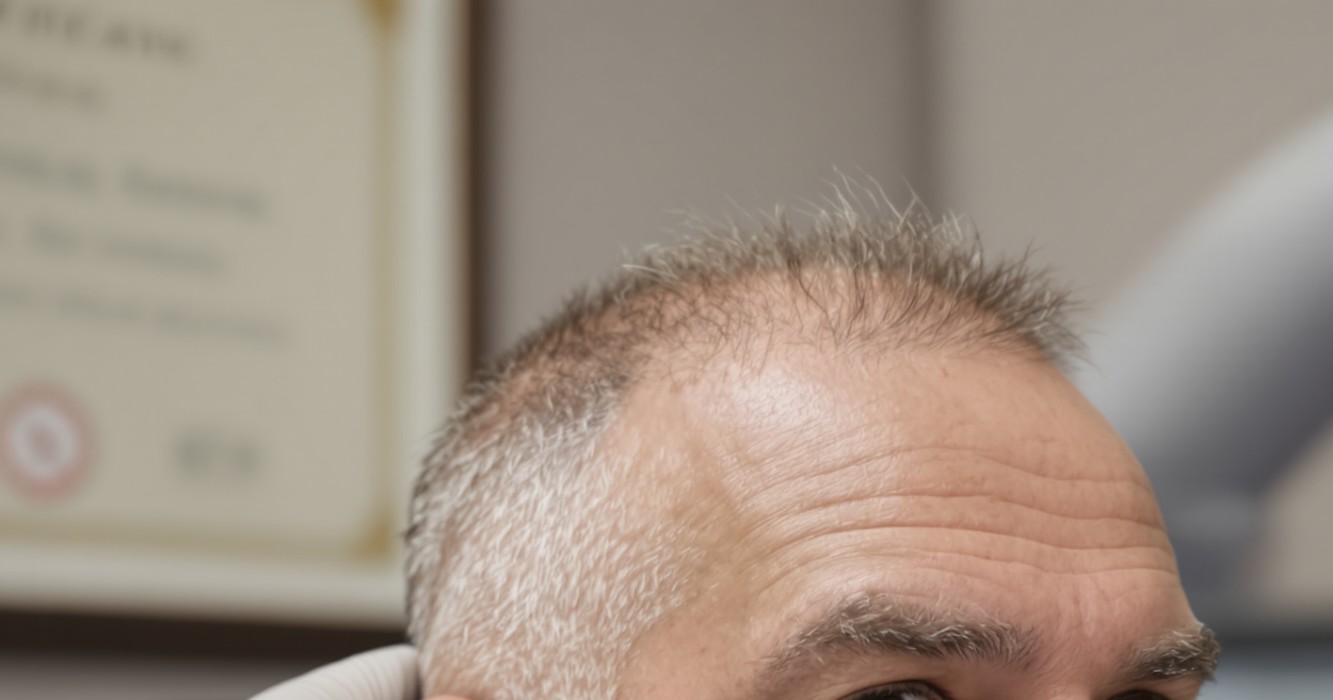
Searching for a procedure abroad can make the choice of clinic seem like the first decision. It is usually a later one. Before comparing promotional photographs or packages, establish what you know about your hair loss, what you expect surgery to change, and what support you could obtain after returning home. Those answers determine which questions to ask and whether surgery belongs on your shortlist at all. This itinerary gives an international reader a sequence for gathering that information. It is a research guide, not an assessment of individual suitability; a qualified clinician must evaluate your circumstances.
Learn what the procedure can and cannot do
The post-procedure appearance changes over time. Short-term swelling, redness, scabbing, and temporary shedding can occur, while growth and cosmetic assessment take much longer than a short trip. Individual healing and growth vary. Request a written account of expected stages, symptoms that warrant prompt clinical advice, and the time at which an outcome can reasonably be assessed. Be skeptical of any description that treats a single attractive early image as the complete result.
Make a Shortlist That Can Be Verified
Search results can introduce clinics, but they cannot substitute for verifying the people and the work. Start a comparison sheet with the legal clinic name, its physical location, the named clinician who will assess you, that person's credentials, and the identity of anyone expected to perform surgical steps. Request written answers rather than relying on an intermediary's voice message. Ask how many patients the team schedules on your proposed day and how the responsible doctor supervises each stage. Look for consistent, useful explanations of candidacy, donor management, risks, and follow-up. A polished photo gallery establishes only that someone selected photographs for display. It does not identify who performed the work or show how people with different starting patterns fared. An unambiguous answer about responsibility matters more than the volume of marketing material.
Build a shortlist using questions you can verify
A website advertising hair transplant turkey services can be a starting point for finding a provider, but its pages are not a substitute for an individual consultation. Check that the named facility, clinical staff and proposed procedure are identifiable. Look for a clear consent process and a credible route for raising concerns. If a listing ranks clinics, inspect what the ranking measures and whether payment or sponsorship affects placement. Avoid treating the number of reviews or the adjective “best” as proof of clinical quality. Ask to see relevant examples under comparable lighting and with enough follow-up context, while recognizing that selected photographs cannot predict your result.
Build a shortlist from questions rather than rankings
Once you understand your own starting point, compare providers using a common set of questions. Identify who will assess you, who will create the hairline and graft plan, who will perform extraction and recipient-site work, and who will supervise the procedure. The names and roles should be clear before payment. Titles, qualifications, and permissions to perform particular tasks can depend on local rules; ask for verifiable details about the professionals involved and the facility where treatment occurs.
Work through travel as part of the care plan
Check entry requirements, travel documents, insurance exclusions, and airline rules for your own itinerary close to departure. A travel package may include an airport transfer and hotel without covering medical complications or changes to flights. If you have conditions or take medicines that could affect surgery, discuss them with the treating clinician and your local doctor before booking nonrefundable travel. Do not stop prescribed medication on the basis of a travel coordinator's message.
Build a follow-up path before making a deposit
Keep copies of consent forms, procedure notes, the documented number of grafts, prescribed medicines, and postoperative instructions. These records help if you need care after returning home. Ask what symptoms require urgent local evaluation rather than waiting for a remote response. Severe pain, significant bleeding, fever, or rapidly worsening signs should be assessed promptly by a local medical professional according to the advice you receive; a chat thread is not an emergency service.
Understand consent and uncertainty
Informed consent is a discussion about your proposed procedure, reasonable alternatives, risks, and the possibility of an outcome below your hopes. Ask about infection, bleeding, scarring, poor growth, altered sensation, and donor-area changes in the context of your own health history. A clinician should explain which concerns are common, which are less common but important, and what steps the team takes when something does not go as planned. This article cannot estimate your individual risk.