FUE and FUT are approaches, not grades and Understand density and coverage — Hair Transplant Terms Explained for First-Time UK Readers
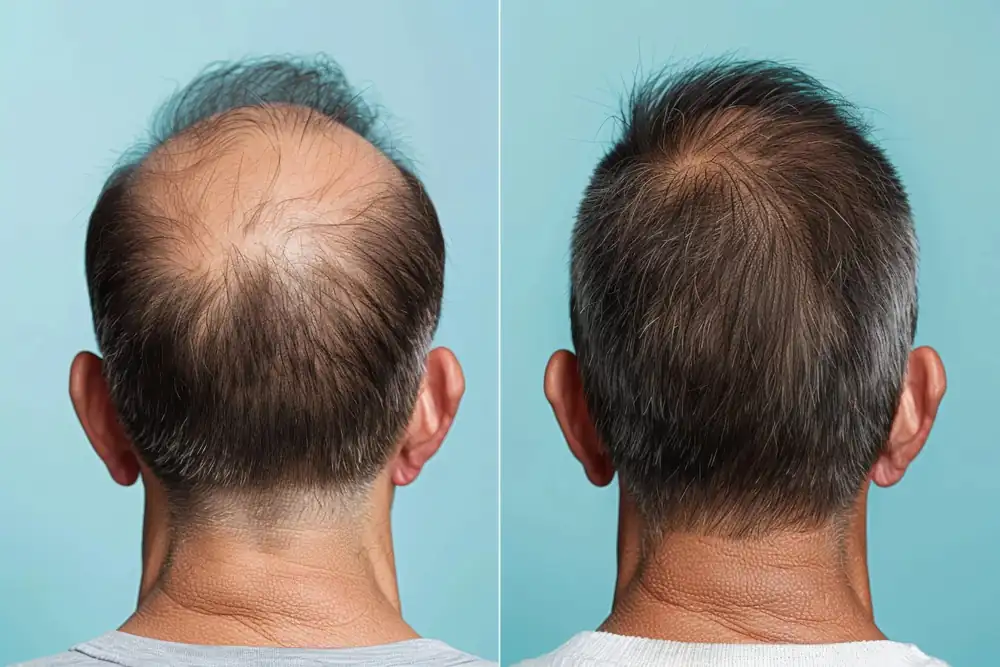
A search about surgery quickly introduces acronyms and method labels. Before comparing them, ask what kind of hair loss you have and whether surgery is appropriate now. Different causes of thinning call for different evaluation, and photographs cannot establish everything a clinician needs to know. The donor area refers to hair-bearing tissue from which follicles may be harvested; the recipient area is where grafts are placed. Those simple terms matter because donor supply is limited and future loss may change the cosmetic plan. A conversation focused only on a technique name, without an explanation of your loss pattern and goals, leaves the most important questions unanswered.
Start with the purpose of the procedure
A transplant moves follicles from a donor area into a recipient area. It does not create an unlimited new supply of hair, and it does not necessarily stop existing hair elsewhere from thinning. This distinction helps explain many terms that appear in provider materials. The donor area describes where follicles are taken; the recipient area is where they are placed. Both must be considered in the same plan because using donor resources now may affect future options.
FUE and FUT are approaches, not grades
In FUE, follicular units are typically taken individually from the donor area. FUT involves removing a strip of donor tissue from which grafts are prepared. Both approaches involve surgery and can leave scars, although the pattern of scarring differs. A provider may also use additional branded terms for tools or implantation methods. Ask exactly what the term describes, why that approach is proposed for you, who performs the steps, and what its limitations are. No label alone identifies a qualified team or guarantees a natural result.
Understand donor and recipient areas
The donor area is the part of the scalp from which follicles may be taken, commonly at the back or sides. The recipient area is where they may be placed. A transplant redistributes existing hair rather than creating an unlimited new supply. If you hear the phrase donor capacity, ask how the clinician assesses it and what extraction might mean for the appearance of the donor area. The visible size of a bald patch alone does not reveal how much hair can reasonably be moved. A long-term plan also considers hair that has not yet been lost.
Understand density and coverage
The hairline is more than a line drawn on a picture. Its placement and shape should make sense with your facial features, donor resources, and the possibility of future loss. An aggressively low design may appeal today and become difficult to support later. Ask why a particular design has been proposed and what it would look like if surrounding hair continues to change.
Follicles, grafts and counts
FUE and FUT describe different approaches to obtaining grafts from the donor area. Other labels may describe implantation tools, incision methods or parts of a workflow. A trademarked term does not establish that a method is suitable for your hair. Ask what steps the proposed team will perform, who performs them and how the clinician balances scarring, donor preservation and your goals.
Translate marketing words into questions
“Natural,” “premium” and “best” are not substitute diagnoses or measurable promises. Ask what the provider means in terms of hairline design, donor use, named clinical responsibilities, limitations and likely follow-up. If you encounter a provider page while researching hair transplant turkey, use it to identify questions for a qualified consultation rather than accepting a universal claim of suitability. Photograph galleries and testimonials offer examples of particular experiences, not predictions for you. The most useful vocabulary allows you to understand a proposed plan, recognize what remains uncertain and decide whether another medical opinion or more time is needed.
Bring the vocabulary back to decisions
If a provider promises an exact density, says every reader is suitable, or offers a graft count without discussing donor limitations, pause and seek clarification. If you cannot reconcile the website, consultation, and written agreement, wait before paying. You do not need to master surgical vocabulary to make a careful choice. You need enough understanding to recognize what is known, what remains provisional, and what only an individual clinical examination can resolve.
Distinguish assessment from booking
A consultation is an opportunity to test a proposal, not a formality before payment. Ask what information might lead the clinician to advise waiting. A provider's willingness to explain uncertainty may help you understand the medical choice more clearly than a vocabulary of branded techniques.