From First Inquiry to Return Home - Planning Hair Transplant Care in Turkey — The procedure and the first days, Departure — take your records, not just photographs
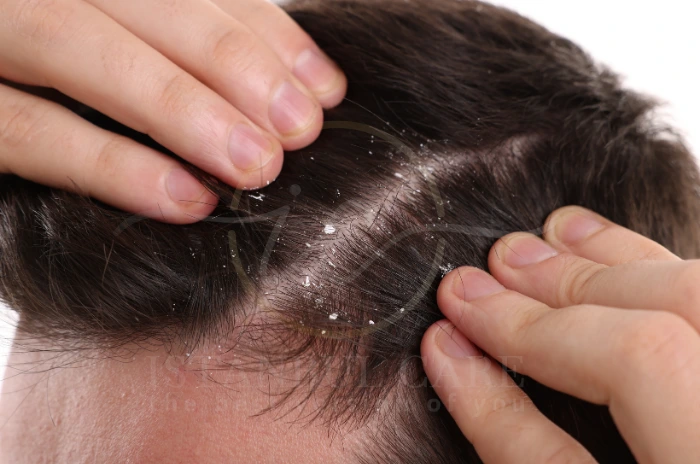
The timeline begins before you contact a clinic. Write down when you noticed the hair loss, whether it progressed gradually or changed abruptly, and what treatments or diagnoses you have already had. Include medicines, allergies, scalp symptoms, previous surgery, and relevant medical conditions. A qualified clinician may need to evaluate causes of hair loss before considering a transplant; photographs alone cannot answer every question. If the loss has no clear diagnosis, arrange a local examination rather than fitting the decision to a convenient travel date. Define what you hope to improve, but separate a wish for a particular appearance from a medically feasible plan. Keep the initial record in a document you can share securely with prospective clinicians. That way each conversation starts with the same facts and you can notice when one provider responds to your circumstances while another simply sends a standard package description.
Stage two: send a structured inquiry
When investigating a hair transplant in turkey, send the same core questions to each candidate. Ask for the legal name and address of the provider, the responsible clinician, the proposed approach and its rationale, what can change after an in-person examination, and which team members perform extraction and recipient-site creation. Request the written inclusion list and follow-up plan. A structured inquiry gives you comparable responses and reduces the chance that an enthusiastic coordinator skips a question you care about.
Before paying: reconcile the quote and the schedule
The next checkpoint is a document review. Ask for the full quote in a stated currency and a clear list of what it includes. Identify procedure costs, consultations, tests if applicable, medicines, washing or follow-up visits, lodging, transport, and any optional services. Confirm whether airfare is included. Ask how the amount changes if the in-person examination yields a different graft plan, and whether you can decline surgery without losing payments unrelated to services already delivered.
The week before departure: review health and logistics
Build slack into the schedule. A tightly packed itinerary may feel efficient, but it leaves little room for delayed travel or a plan change after examination. Discuss with the clinic how long you should remain nearby after treatment and whether that advice differs for your medical circumstances. General internet timelines are not a substitute for the treating team's assessment.
The procedure and the first days
Before treatment, confirm the contact person for immediate questions, the planned first check and the written instructions you will take home. Ask which discomforts or changes should prompt a call and which require urgent local assessment. Avoid assuming that another patient's recovery photographs provide a schedule for yours. The team should explain the specific washing, activity and medication instructions that apply to you. Keep the clinic's contact details accessible without depending on a single messaging application or a phone battery. If a complication is suspected, seek timely medical help rather than waiting for a routine follow-up.
Departure: take your records, not just photographs
At the departure review, ask for a written summary of the procedure, the actual graft count if recorded, medication information, and the follow-up schedule. Check that you know how to send clear photographs and who will review them. If there was a deviation from the initial plan, ask for the reason and for any change in aftercare instructions. Confirm whether the clinic can be contacted from your home time zone and what to do if you cannot reach them promptly. Travel comfort and healing instructions should be individualized; do not substitute advice from another patient's social media account. Keep the clinic's details with your travel documents so you can share them with a local clinician if you need physical assessment after returning. A photograph can help illustrate a concern, but it cannot replace a proper examination when that is needed.
Weeks and months at home: keep the follow-up pathway alive
Save all messages, care instructions, and notes of concerns. If follow-up is difficult to access, raise that problem promptly instead of assuming silence means recovery is normal. If a provider recommends medication or a new treatment, discuss suitability, adverse effects, and interactions with an appropriately qualified clinician. An article cannot personalize treatment choices or substitute for an examination.
The return-home handoff
Before departure, clarify the timing and channel for routine updates, which concerns need prompt assessment and how records can be shared with a clinician at home. Save the procedure summary, medication list and contacts. Expect the appearance to change during healing; ask what the team considers ordinary and what requires evaluation, without relying on a guaranteed schedule for growth. An informational page about hair transplant in turkey can orient the initial inquiry, but your follow-up plan should come from the actual treating professionals. Keep a dated record of communications and follow the individualized guidance you received. If an urgent symptom arises, seek timely local medical assessment instead of waiting for an international message exchange. The planning sequence ends only when you know how care continues after travel.