Gate one — Is the reason for hair loss clear and Gate six — What happens after you fly home — Does a Hair Transplant Trip to Turkey Fit Your Life and Follow-Up
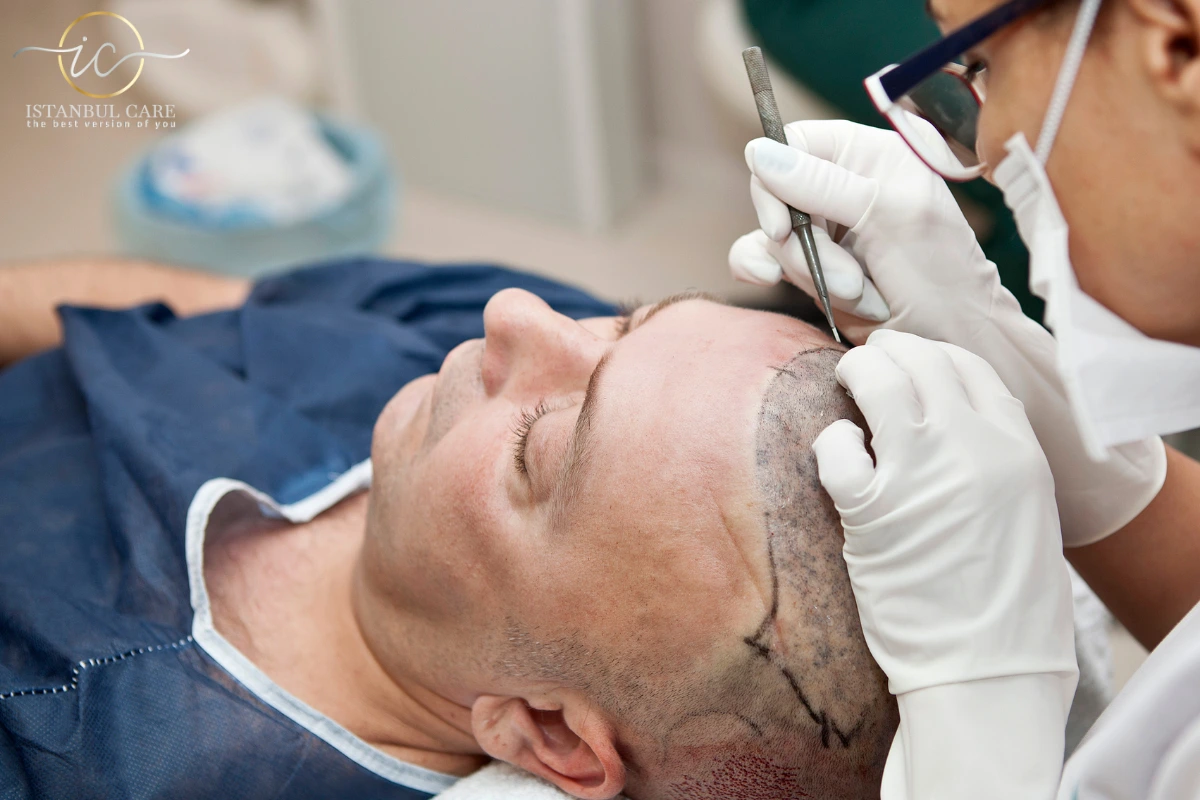
Imagine two readers attracted by the same travel package. One has a long-standing pattern of hair loss, has discussed the diagnosis with a clinician, and understands that a transplant moves a finite supply of follicles. The other has recently begun losing hair quickly and has not investigated why. They should not reach the same booking decision simply because the flight and clinic package are identical. The first reader might be ready to evaluate a surgical proposal. The second needs an assessment of the shedding before deciding whether surgery belongs in the conversation at all.
Gate one: Is the reason for hair loss clear?
Before comparing destinations, ask whether a suitably qualified professional has assessed your type of hair loss. Gradual patterned thinning may lead to a different discussion from sudden shedding, patchy bald areas or an inflamed scalp. A transplant moves existing follicles; it cannot create an unlimited new supply or treat every cause of loss. If you do not know what is happening, arrange an assessment and describe the timing, affected areas, symptoms, family history, relevant illnesses and medicines. Photos can support the conversation, but an online image is not a complete examination.
Branch two: do the expected results match your goals?
An appealing hairline picture may conceal a mismatch between what you want and what your donor area can support. Ask the clinician to describe the recipient zones, approximate graft needs, donor limitations, and possible progression of hair loss. If your priority is a very low hairline, ask what the plan would look like years later if adjacent native hair continues to thin. If your priority is crown coverage, ask what density may be feasible and whether it affects the resources available for the front. Ask to see comparable cases photographed at a meaningful follow-up interval, including the donor area, while remembering that selected examples cannot predict your outcome. The answer to this branch can be 'revisit the design,' 'consider nonsurgical management,' or 'seek another opinion.' None of these is a failure of your travel research. A realistic medical plan is the condition for a meaningful country comparison.
The second branch is whether travel is manageable
Travel also introduces ordinary disruptions: delayed flights, illness before departure, changed appointment times, or an examination on arrival that alters the proposed procedure. Ask who bears the cost when the clinical plan changes, which services are refundable, and whether an alternative date is available. Decide in advance whether you could absorb an extra night, a missed connection, or a postponed trip. If those contingencies would create hardship, a lower quoted clinical fee may be less attractive than it appears.
The fourth branch is clinical accountability
You can inspect a provider's turkey hair transplant information as one part of this research. It is a provider page, so compare its descriptions with the actual assessment and written agreement. A polished explanation of a technique or package is not evidence that the same plan will be suitable for everyone.
The fifth branch is what happens after you go home
Before booking, picture a question arising ten days after returning home: increased discomfort, uncertainty about washing instructions, or concern that the appearance differs from the examples shown. Who can you contact, by which channel, and how promptly? Who decides whether photographs are adequate or an in-person examination is needed? What happens if the answer arrives in a language you cannot comfortably understand? A robust follow-up pathway needs names, response expectations, and a clear route for urgent concerns.
Gate six: What happens after you fly home?
Think about the months beyond initial healing. You may need advice about continuing hair loss, an unexpected cosmetic result or whether further treatment is appropriate. Ask how long the provider follows patients and what the follow-up actually includes. If no local clinician is available to assess a problem, research how you would access care through your regular health system. If a complication develops, seek timely qualified medical attention rather than relying solely on an overseas message thread. Written records of the procedure and medicines can make that handoff easier.
Use a three-column decision record
For each branch, write down 'known,' 'needs confirmation,' and 'deal breaker.' Under known, record factual answers with a source and date: a clinician's name, a quote term, or an aftercare appointment. Under needs confirmation, place statements that arrived only as marketing language or were given verbally. Under deal breaker, record conditions that would make you decline the offer even if the price dropped. Examples might include an unidentified operating team, no opportunity to speak to the clinician, or a follow-up arrangement you cannot realistically use. The columns prevent a pleasant conversation from being mistaken for an answered medical question. Revisit the record after an independent clinical opinion if one is available. The decision need not be a simple vote in which each attractive feature cancels one concerning feature. Some missing information should stop the process until it is resolved.