Initial inquiry — ask for a process, not a promise Arrival and in-person assessment — confirm or revise — A Hair Transplant Travel Timeline From First Inquiry to
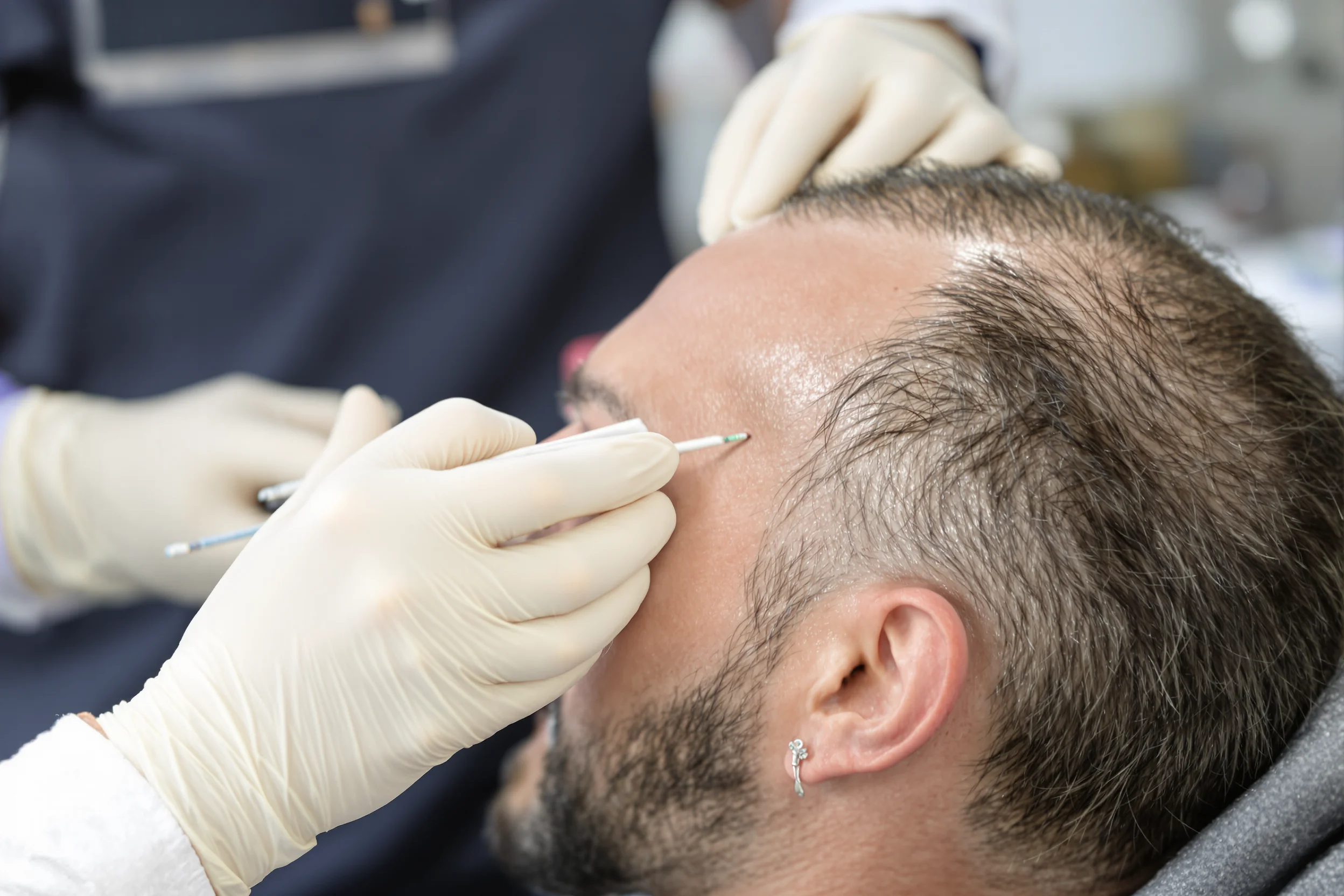
Travel for elective surgery is easier to understand as a sequence of decisions than as a single booking. The date of the operation is only one point on that sequence. Before it come diagnosis, a proposal, informed consent, and travel arrangements; afterward come recovery, access to clinical advice, and checks over months. Use this timeline to ask what needs to be settled at each stage. The intervals are planning categories, not a medical schedule for every patient. Your treating clinician's advice should determine the actual timing.
Initial inquiry: ask for a process, not a promise
Request a written explanation of who performs extraction, who creates the recipient sites or follows the particular technique proposed, who places grafts, and who supervises the work. Roles can differ across facilities and jurisdictions. The practical issue is whether you can identify accountable professionals and understand their qualifications. Ask how many procedures the responsible clinician oversees in a day, whether teams change between consultation and surgery, and who handles an unexpected change during treatment. These answers help turn a package description into a clinical plan.
Arrival day: verify the plan in person
An in-person examination can reveal details that photographs missed. Confirm the diagnosis, review the donor area, and revisit the proposed hairline and recipient zones with the responsible clinician. Ask what has changed since the remote estimate. If you have concerns about the design, quantity, staffing, medications, or payment, raise them before the procedure begins. Check that you understand the risks, alternatives, and recovery expectations in a language you can follow. Make sure the person evaluating you is the one you were told would do so, and confirm the roles of everyone involved. The pressure of having already traveled can make it difficult to pause, but a flight does not create an obligation to proceed with an unsuitable plan. Ask how any decision to postpone or cancel would be handled financially and medically.
Arrival and in-person assessment: confirm or revise
An in-person examination is a decision point, not a ceremonial step before a prepaid service. Ask the clinician to explain the observed pattern of loss, donor-area assessment, proposed design, and reasons for the graft estimate. Discuss what the plan does not address, including areas that may thin in the future. If the recommended design differs from what you understood remotely, ask for the reason and for time to consider the change. You can request a written updated plan before consenting.
First weeks at home: follow the agreed pathway
Set reminders for the scheduled check-ins and record symptoms or questions as they arise. Follow the specific guidance provided for cleaning, activity, and medicines. If you develop a concerning symptom, use the urgent route described by the clinic and obtain local medical help where appropriate rather than waiting for a routine photo review. Avoid drawing conclusions about the final result from early appearances; healing and growth unfold over time and vary between individuals. Ask the treating professional when they expect the next meaningful assessment and what changes should be reported sooner. Keep correspondence organized by date, especially if more than one staff member replies. If remote follow-up is promised, check whether a clinician actually reviews medical concerns and whether a local referral is recommended when an issue cannot be judged remotely.
The return-home handoff
Before departure, clarify the timing and channel for routine updates, which concerns need prompt assessment and how records can be shared with a clinician at home. Save the procedure summary, medication list and contacts. Expect the appearance to change during healing; ask what the team considers ordinary and what requires evaluation, without relying on a guaranteed schedule for growth. An informational page about hair transplant in turkey can orient the initial inquiry, but your follow-up plan should come from the actual treating professionals. Keep a dated record of communications and follow the individualized guidance you received. If an urgent symptom arises, seek timely local medical assessment instead of waiting for an international message exchange. The planning sequence ends only when you know how care continues after travel.
Stage eight: evaluate progress over months
The most useful timeline has decision points, not just dates. At every stage, ask whether the clinical information, financial terms, and travel arrangements still fit together. If they do not, adjust the plan before the next irreversible expense. An orderly journey leaves room for a clinician to say no, for a patient to ask more, and for care to continue after the return flight.
Stage seven: return home with a care pathway
Travel home does not close the clinical episode. Before departure, keep a copy of your procedure record, consent forms, medication list, and aftercare instructions. Ask for the timetable and channel for routine photo check-ins and for a clear distinction between a routine question and symptoms that require prompt local care. A remote message may help the clinic assess a photograph, but it cannot replace a physical examination when one is needed.