Stage two — send a structured inquiry Departure and the return-home period — A Planning Timeline for Hair Transplant Care Abroad from Inquiry to Home Check-Ins
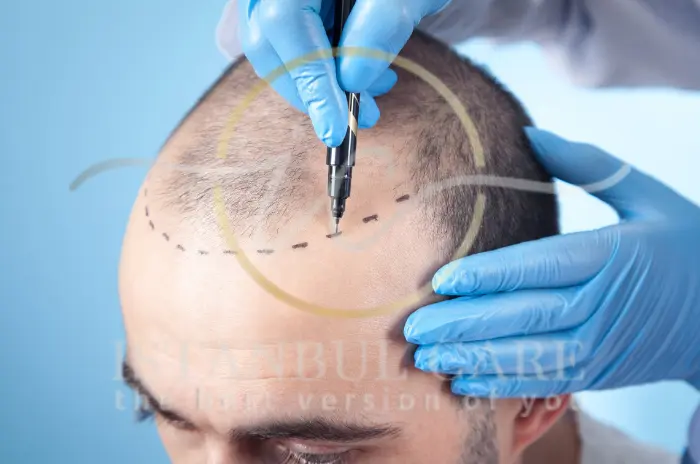
A good timeline starts before a flight search. Write down what has changed about your hair, how long the change has been noticeable, and what result you hope to see. Include any previous treatment and relevant medical history. The first inquiry should ask whether a clinician can assess your situation, what information they need, and which questions cannot be settled from photographs. A coordinator can explain appointments and packages, but clinical suitability calls for a qualified professional. If the cause of hair loss has never been evaluated, allow time for that assessment before committing to travel.
Stage one: establish the medical starting point
Before contacting clinics, document when you first noticed hair loss, how it has changed, any scalp symptoms, previous treatment, and relevant medicines or health conditions. Take clear photographs under consistent lighting from the front, both sides, crown, and donor area. These photos support a conversation but cannot diagnose the cause of loss. If shedding is recent, severe, or accompanied by scalp symptoms, seek assessment by a qualified clinician near home. The same is sensible if your medical history may affect surgery.
Weeks or months before travel: establish the question
A treatment journey should begin well before a booking calendar. If you are considering surgery for hair loss, first identify what you are asking a clinician to assess: a changing hairline, thinning at the crown, scarring, or a different concern. The appearance of similar symptoms can have different causes. A qualified professional can review the history, examine the scalp, and advise whether additional investigation or nonsurgical treatment merits consideration. An online photograph may help start a conversation, but it does not settle diagnosis or candidacy.
Before paying: clarify the full agreement
Ask for a quotation that names the currency, included medical services, lodging or transfers if offered, deposit, balance due, and refund rules. Confirm whether the quoted price changes with the procedure or graft estimate and what occurs if the in-person consultation advises a different approach or no operation. Read the consent material and the aftercare instructions before the final commitment if possible. Ask what is included in check-ins after you return home and whether any promised revision has conditions or travel expenses. Save the actual documents, rather than relying on screenshots of a temporary advertisement. Keep personal medical details within a secure channel; a general booking chat may not be ideal for sensitive records. A written agreement does not remove uncertainty about outcomes, but it lets you distinguish a defined service from an attractive verbal suggestion.
Stage two: send a structured inquiry
When investigating a hair transplant in turkey, send the same core questions to each candidate. Ask for the legal name and address of the provider, the responsible clinician, the proposed approach and its rationale, what can change after an in-person examination, and which team members perform extraction and recipient-site creation. Request the written inclusion list and follow-up plan. A structured inquiry gives you comparable responses and reduces the chance that an enthusiastic coordinator skips a question you care about.
Procedure day: keep the handoff legible
The team should explain what will happen, who performs each major step, and how you can communicate discomfort or an unexpected symptom. Ask whom to contact if you need clarification before any sedating medicine is given. Verify medication and allergy information and follow the clinician's directions about eating, drinking, and existing prescriptions; do not change medicines on your own. You need not understand every technical choice, but you should understand why the donor and recipient plan is appropriate for you and whether the agreed plan has changed. Ask how the number of grafts actually used will be recorded and how the procedure note will be made available afterward. An orderly handoff matters because the people giving aftercare advice must know what was done. If a substitute clinician or a substantially different procedure appears, request an explanation before proceeding.
Departure and the return-home period
Before flying, obtain the procedure summary, prescribed medicine details, aftercare instructions and a clear schedule of check-ins. Ask who reviews images you send and how quickly the clinic normally responds. Once home, take comparable photographs if the care team requests them and record questions as they arise. Do not judge the final appearance from the first days or weeks; ask the clinician what changes to expect over time in your particular case. Keep a route to local medical care if a concern cannot be evaluated remotely. The timeline ends with an ongoing plan for your existing hair, not merely an airport transfer.
Weeks and months at home: keep the follow-up pathway alive
Save all messages, care instructions, and notes of concerns. If follow-up is difficult to access, raise that problem promptly instead of assuming silence means recovery is normal. If a provider recommends medication or a new treatment, discuss suitability, adverse effects, and interactions with an appropriately qualified clinician. An article cannot personalize treatment choices or substitute for an examination.