The first branch is whether surgery is appropriate and Branch six — can you tolerate uncertainty — A Decision Tree for Considering Hair Transplant Travel to Turkey
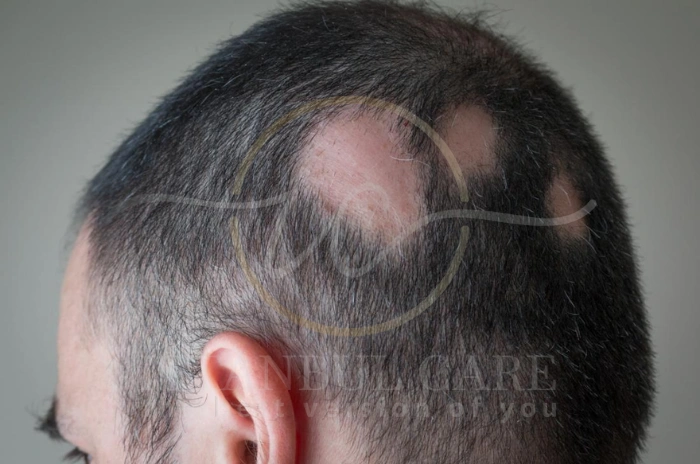
The country is a logistical choice, not a diagnosis. Before you consider an airline ticket, ask whether a qualified clinician has established the cause of your hair loss and discussed whether surgery is suitable now. Pattern thinning may make someone a candidate for transplantation, but sudden shedding, inflammation, scarring conditions, or an unstable medical problem could call for a different evaluation. An online estimate from photographs is an opening conversation; it is not necessarily a complete examination. If the reason for the loss is unclear, the sensible branch of the decision tree points toward assessment near home first. Ask what observations support the diagnosis, what alternatives exist, and how continuing loss of nontransplanted hair might affect a result. If a provider says every inquiry is ready for surgery, you have not yet received an individualized answer. The rest of this guide assumes you can discuss the medical question with an appropriately qualified professional.
The first branch is whether surgery is appropriate
Even with a diagnosis, ask whether the proposed appearance can be sustained as existing hair continues to change. A very low hairline may consume donor resources that cannot be replaced. A plan that covers one area may leave other areas visibly thinner later. Discuss how the clinician expects the pattern to progress, what the donor area can support, and which limitations are unavoidable. Nobody can promise the course of future hair loss or exact cosmetic growth. If the proposal leaves these questions unanswered, more assessment is needed.
The second branch is whether travel is manageable
Suppose one reader can take two weeks away from public-facing work, while another must return to customer meetings immediately. The same recovery instructions could create very different burdens. A transplant can involve temporary visible changes such as redness, swelling, and scabbing. Ask the treating team what is commonly expected, when to seek advice, and how appearance may affect your work or travel. Do not plan around an advertisement implying that everybody looks normal at a fixed point. Individual recovery differs.
Gate three: Can you identify the people responsible?
Consider a clinic advertising turkey hair transplant services as a potential provider to investigate, not as proof that a particular technique or result is suitable for you. Ask where the procedure occurs and who handles a medical concern on site. If a company arranging the travel is distinct from the clinical provider, clarify which entity contracts with you for each service. When responsibilities are unclear, you may not know whom to contact if a plan changes or you need assistance after returning home. Mark the gate “wait” until the chain of responsibility is explicit.
Branch six: can you tolerate uncertainty?
The result is not visible when you board the return flight. Healing, temporary changes in appearance, and eventual hair growth happen on different timelines. Ask the treating clinician what variability to expect for your case, when progress should be assessed, and when a problem should be reported rather than simply watched. Also ask what a promised correction would actually involve: clinical eligibility, timing, surgical fees, and the cost of another international journey. No provider can promise a particular density or a perfect aesthetic match. If you need an immediate visible result for an upcoming event, your expectations may conflict with the nature of surgery. This branch is about the uncertainty you can live with, not about being pessimistic. Sometimes a cautious plan with room to reassess is more compatible with your goals than an aggressive design marketed as a final fix.
Read the pattern, then choose
Three outcomes are legitimate. You may proceed to a careful consultation with a provider abroad because all the gates are adequately addressed. You may decide that surgery near home better fits your need for follow-up, even if its initial price differs. Or you may postpone surgery while a diagnosis, treatment plan or budget becomes clearer. Review the choice with an appropriately qualified clinician who knows your health history. The destination should follow the care decision; it should never determine it.
Make a decision that survives the sales conversation
Keep copies of the assessment, proposed plan, quote, consent documents, and aftercare instructions. Before making any medical decision, discuss your circumstances with appropriately qualified professionals. An informational guide can help you ask better questions; it cannot examine your scalp, establish your diagnosis, or guarantee the result of a transplant.
The sixth branch is your tolerance for uncertainty
Travel, surgery, and cosmetic outcomes all involve uncertainty, but people differ in what they can comfortably manage. Some can take time off, navigate another health system, and tolerate a long period before the appearance stabilizes. Others need close in-person access or cannot readily make another trip. Neither preference is a medical weakness. It is a practical constraint that deserves a place in the decision.