What Best Means When Comparing Hair Transplant Care in Turkey — Keep a record of your priorities; Start with different needs
One person may prioritise access to a particular clinician; another may need flexible travel or strong arrangements for care after returning to the UK. A price comparison alone cannot settle these differences. Write down your clinical concern, visual goal and practical constraints before examining rankings. Ask a qualified professional whether surgery is appropriate for your pattern of loss. The best sounding offer is not useful if the diagnosis is uncertain or the treatment plan does not address your main concern.
Start with different needs
A qualified clinician should evaluate the pattern of loss, scalp, donor area, medical history, and expectations. Transplantation redistributes a limited supply of follicles; it does not necessarily stop hair loss elsewhere. Ask what the plan aims to improve and what it cannot achieve. A design that suits an individual today should be discussed in light of potential future thinning. A universal ranking cannot answer those questions for you.
Examine the proposed outcome
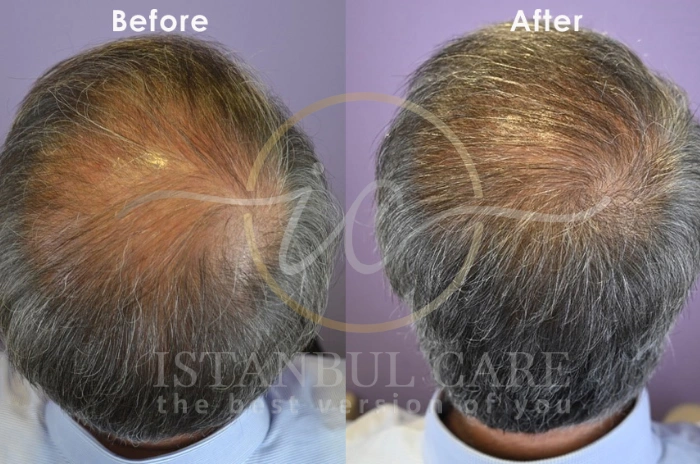
Ask which areas could be treated and what would remain thin. How is the donor area assessed, and how might further loss of existing hair affect the appearance? A larger graft count may reflect a different objective rather than better care. Before-and-after images can help you describe a preference, but lighting, styling and the length of follow-up change how they look. Discuss realistic possibilities and limitations with the clinician. Your preferred hairline may require trade-offs with coverage elsewhere and preservation of donor hair for the future.
Check claims you can actually verify
A listing that calls itself the answer to best hair transplant in turkey may use reviews, sponsorship or an unpublished ranking method. Find out what it measures and whether payment influences placement. For a clinic, verify the named clinical staff, facility, stages each person performs and the written aftercare process. Reviews can describe communication or organisation, but they seldom establish whether a particular procedure was clinically suitable. Use promotional claims to formulate questions and give greater weight to a coherent proposal related to your own history.
Check evidence according to its limits
The phrase best hair transplant in turkey may appear on a provider's own page. Read it as a description or commercial claim, not an independent medical verdict. If a comparison site uses the same words, look for its criteria, date, and financial relationships. A page may help you build a shortlist, but personal suitability needs a consultation.
Interpret visual and social evidence carefully
Before-and-after images may illustrate an aesthetic approach, but lighting, angles, hair styling, time since treatment and starting conditions influence what they show. Selected photographs cannot establish your probability of a similar outcome. Reviews can describe communication or travel convenience, yet may not assess long-term medical quality. A list of recommended clinics may use criteria unrelated to your needs or involve commercial interests. Information found through best hair transplant in turkey can supply names and questions, but a linked provider is one commercial source rather than a universal winner. Distinguish independently checkable facts from promotional claims.
Make follow-up personal
Your own comfort with uncertainty matters. Some people can take time away from work and handle a flexible travel schedule. Others need nearby care or cannot afford an additional journey. These practical constraints are legitimate elements of the decision. Ask yourself what would make you postpone after arriving, such as a changed medical plan or unidentified operating team.
Ask about the limits of distance
An online consultation may be convenient for gathering initial information. Ask which findings need an in-person scalp examination and when that will happen relative to payment and travel. If the examination changes the recommendation, request an explanation and time to decide. This sequence matters especially if your flight and hotel are nonrefundable; the expense should not become a reason to accept an altered clinical plan.
Keep a record of your priorities
After every consultation, note what the clinician said about your primary concern, not merely the proposed number of grafts. Did the plan address the feature you wanted to change? Were trade-offs and areas left untreated explained? Compare those notes before being drawn to another person's photographs. A choice that respects your priorities and realistic limitations can differ from a ranking's preferred option.
Let the conclusion be individual
Summarize what you know about suitability, donor preservation, roles, realistic expectations, travel, money and follow-up. Mark the remaining questions rather than filling them with assumptions. If a key clinical issue is unresolved, postponing or seeking another opinion is a defensible result. If one plan is understandable and workable, record the reasons it meets your needs without claiming it will be ideal for every patient. The strongest definition of “best” for a reader is a process that respects individual circumstances and uncertainty. No advertisement, ranking or deposit deadline can remove the need for an informed medical decision.